In the world of digital marketing and search engine optimization (SEO), SERP RANK is a term that comes up often. But what exactly does it mean? And more importantly, how can your website appear – and rank high – on it? In this blog, we will explain what SERP is, why it matters, and how you can effectively rank your website on it to gain more traffic and visibility.
What is SERP?
SERP stands for Search Engine Results Page. It is the page that appears on your screen when you enter a query into a search engine like Google, Bing, or Yahoo. The SERP contains:
- Organic search results (web pages ranked by relevance)
- Paid search results (ads via Google Ads or Bing Ads)
- Featured snippets
- People also ask (PAA) boxes
- Knowledge panels
- Local results (map packs)
- Images, videos, and more
Each element of the SERP serves to provide users with the most relevant and useful information as quickly as possible.
Why is Ranking on SERP Rank Important?
Appearing on the first page of a SERP, especially in the top 3 results, is critical for your online success. Here’s why:
- Increased Visibility: Most users do not go beyond the first page.
- Higher Click-Through Rate (CTR): Top positions receive the majority of clicks.
- Trust & Authority: Ranking high builds credibility and user trust.
- More Traffic & Conversions: High rankings lead to more visitors and potential customers.
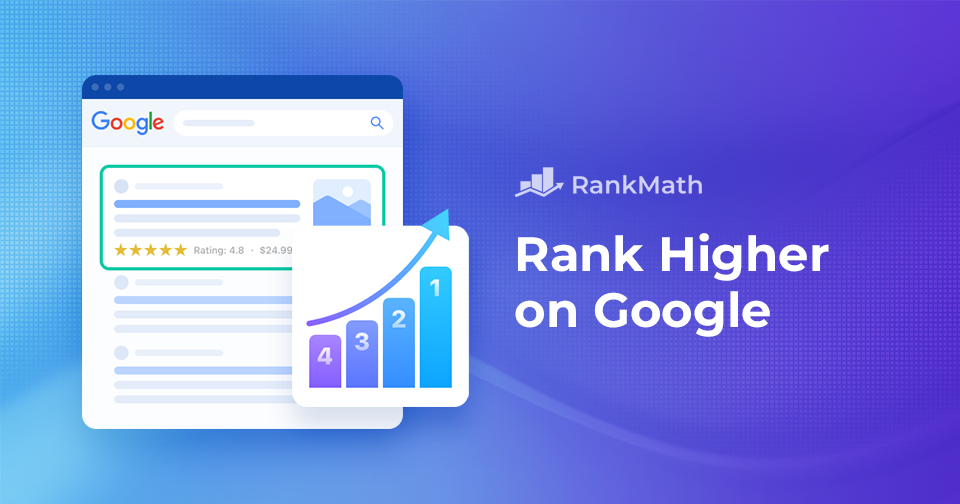
How Can You Rank on SERP?
To rank high on SERPs, you need to follow a strategic SEO approach. Below are proven methods to help you succeed:
1. Keyword Research
Identify the keywords your audience is searching for using tools like Google Keyword Planner, Ubersuggest, or SEMrush. Focus on:
- High-volume keywords
- Long-tail keywords
- Low competition terms
2. On-Page SEO
Optimize each page of your website for the target keyword. Key elements include:
- Title tag: Include your keyword and keep it under 60 characters.
- Meta description: Summarize the page in 155-160 characters.
- Headings (H1, H2, H3): Organize content and include keywords.
- URL structure: Keep it short, readable, and keyword-rich.
- Image optimization: Use descriptive alt text and compress file sizes.
3. Quality Content
Content is king. Create valuable, relevant, and engaging content that answers user queries. Tips for great content:
- Solve problems or provide insights
- Use bullet points and visuals for readability
- Update regularly to stay relevant
4. Mobile Optimization
Ensure your site is mobile-friendly. Google prioritizes mobile-first indexing, meaning the mobile version is considered the primary version of your site.
5. Page Speed
Fast-loading pages improve user experience and reduce bounce rates. Use tools like Google PageSpeed Insights to optimize:
- Image sizes
- Browser caching
- Code structure (HTML, CSS, JavaScript)
6. Backlinks
Build high-quality backlinks from reputable websites. Backlinks are votes of confidence in your content and play a huge role in SEO rankings.
7. User Experience (UX)
A positive user experience keeps visitors on your site longer. Focus on:
- Easy navigation
- Clean design
- Clear calls-to-action (CTAs)
8. Use Structured Data
Implement schema markup to help search engines understand your content better. It can lead to rich results like ratings, FAQs, and more.
9. Regular Performance Analysis
Use Google Search Console and Google Analytics to:
- Monitor rankings
- Identify technical issues
- Track visitor behavior and make improvements
Final Thoughts
Ranking on the SERP isn’t just about being visible — it’s about being valuable to your audience. By combining keyword research, content strategy, technical optimization, and a focus on user experience, you can position your website to climb the search results and stay ahead of the competition.
Start small, stay consistent, and keep adapting to search engine updates. With effort and strategy, ranking on SERP is absolutely achievable.